No items found.
Under the HSE’s Approved Code of Practice (ACOP) L8, the duty holder of a premises is required to commission and regularly review a Legionella risk assessment. This involves reviewing the entirety of your property’s water system and identifying any potential ‘sources of risk’.
The aim is to inform a Legionella control scheme, including regular checks and prevention methods to ensure that Legionella is not growing in your system, as well as treatment methods if necessary.
Anyone who is responsible for the management of a non-domestic property will need an up-to-date L8 Legionella risk assessment, as will any employer.
ACOP L8 places responsibility for managing Legionella risks onto the duty holder; defined as the person in control of the premises or water systems. The duty holder may appoint a responsible person to assist with the day-to-day management of Legionella control measures, including risk assessments, although overall responsibility remains with the duty holder.
Employers are also required to ensure they have a current Legionella risk assessment in place, as part of their obligations to protect employee wellbeing under the Health and Safety at Work Act and the Control of Substances Hazardous to Health (COSHH) regulations.
Any duty holder or employer that does not already have a risk assessment in place will need to arrange for one to be drawn up. Once in place, HSE guidance requires that your risk assessment be reviewed ‘regularly’, after any changes to your water system or if the use type of the property changes. It should also be reviewed following any signs that your existing control scheme has failed.
It is the responsibility of the duty holder to ensure that the person carrying out the Legionella risk assessment is ‘competent to do so’.
Your risk assessment will typically identify a scheme of control measures designed to maintain water hygiene standards and prevent the growth of Legionella bacteria. This often includes:
System dosing
Flushing
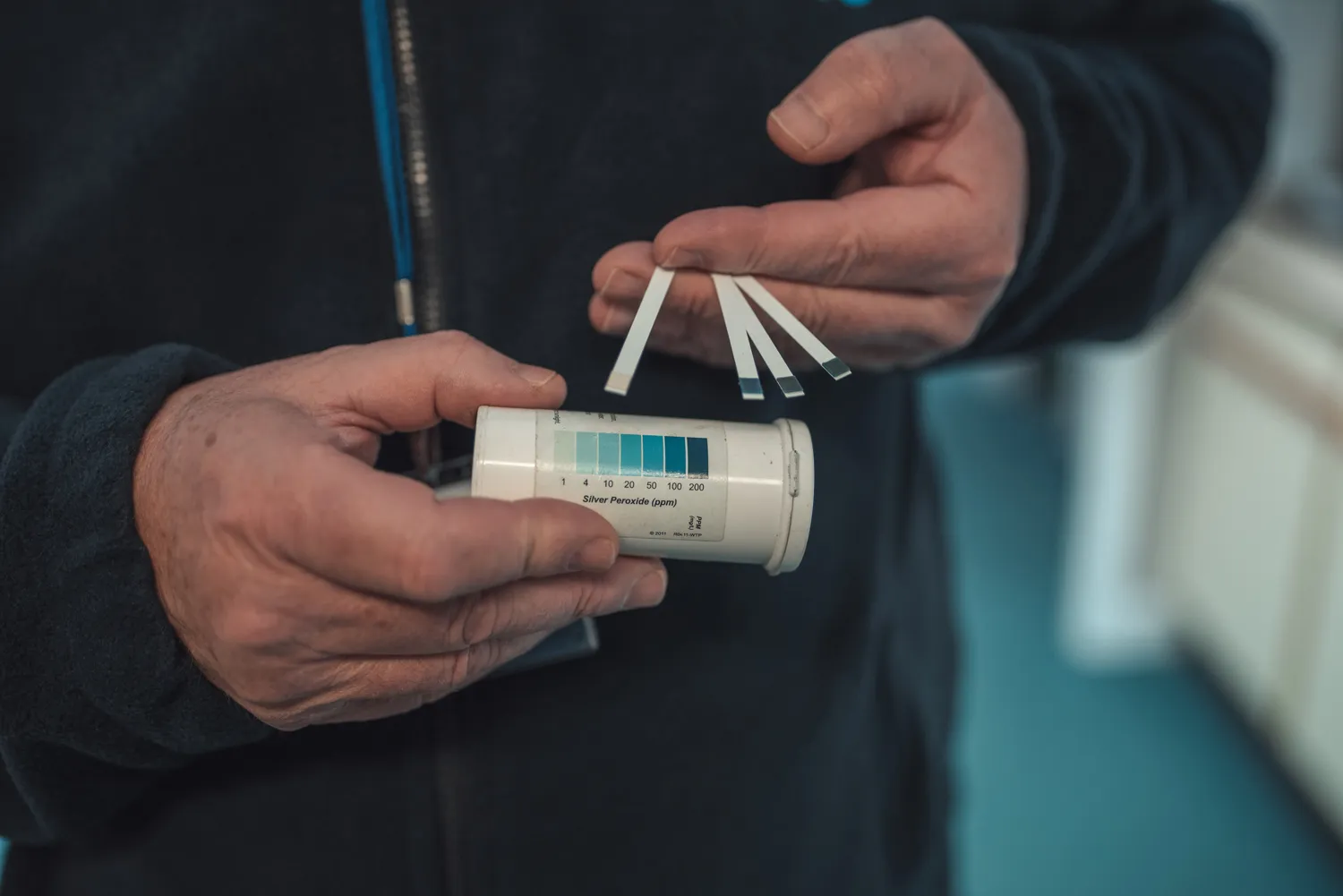
Legionella testing and sampling
Depending on the findings of your risk assessment, you may also be advised to make changes to your system in order to ensure adequate Legionella control. For example, there may be sections of your system that encourage stagnation or are left at temperatures known to encourage Legionella growth.
It is the responsibility of the duty holder, with support from any appointed responsible persons, to ensure the control scheme is implemented and maintained, and that the Legionella logbook is kept up to date.
Your business is under the watchful eye of the Health and Safety Executive (HSE), and bound by legislation and guidelines to protect employees and building occupants from harmful Legionella bacteria. These documents include:
The Health and Safety at Work Act
HSG274
ACOP L8
COSHH
EMS Water helps you maintain compliance with expert Legionella risk assessments. We will check your water system for potential issues, advise you on any remedial measures and help you fulfil your obligations. With trained professionals and years of experience, we offer straightforward, expert support.
Highly trained, DBS-checked technicians
A wealth of experience across different industries
In-depth understanding of legal frameworks surrounding Legionella compliance
Nationwide services and offices in Worcester, Hereford, Cardiff and London
BS 8580-1:2019 compliant risk assessments

Survey of the water system (hot and cold):
Identifying how water is stored, distributed and used on site

Assessment of Legionella risk areas:
Including temperature, stagnation and aerosol creation (e.g. from showers)

Identification of potential hazards:
Such as dead legs, rarely used outlets or inadequate controls

Evaluation of current control measures:
Reviewing any existing procedures like flushing, monitoring or water treatment

Assessment of management arrangements:
Checking whether roles and responsibilities are clearly assigned (e.g. duty holder, responsible person)

Schematic diagram:
A simplified visual representation of the water system layout is often included, where appropriate

Photographic evidence:
Supporting documentation of findings where appropriate

Recommendations for control measures:
Specific, actionable steps to reduce or manage identified risks

Written report:
A formal document summarising findings, recommendations and risk levels