No items found.
HSG274 recommends that duty holders should commission calorifier blowdowns and inspections on a roughly annual basis, or ‘as indicated by the rate of fouling’. This is a routine part of water hygiene maintenance for any non-domestic property with a calorifier installed.
Our expert technicians will inspect your calorifier for signs of damage or fouling and will conduct what’s known as a ‘blowdown’ to remove any sludge or debris that could harbour Legionella growth.
A calorifier inspection involves the assessment of the internal and external condition of a water calorifier. A technician will review the unit using specialist training and equipment, looking for signs of wear, damage, debris or biofilms.
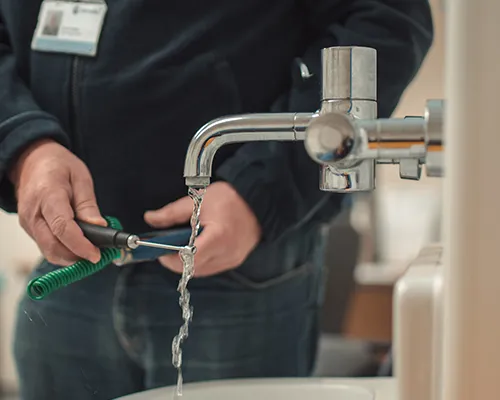
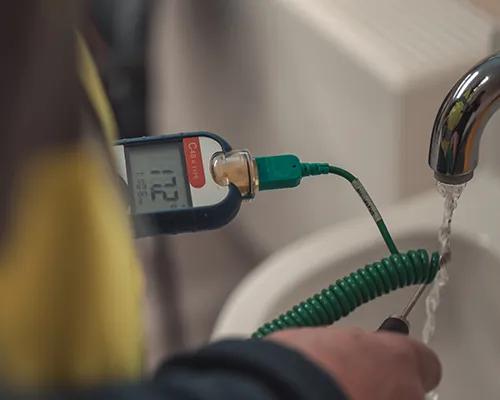
The technician will also take temperature readings to ensure that water temperatures within the calorifier are not encouraging Legionella growth.
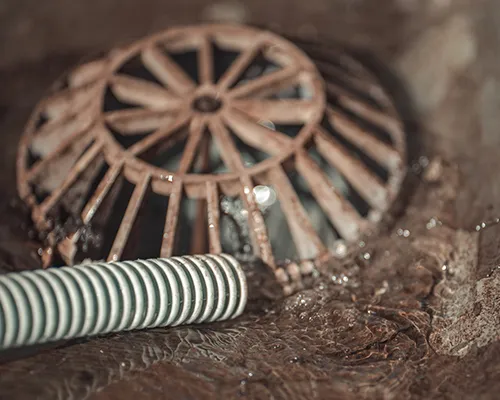
A calorifier blowdown is essentially the flushing and cleaning of the inside of a calorifier. A technician will open the drainage valve at the bottom of the calorifier and flush the unit through with clean water until it is free from debris, sludge and any biofilm growth.
Without regular blowdowns, calorifiers can experience the growth of harmful bacteria, including Legionella.
The most straightforward route to compliance with Legionella control requirements is to follow the guidance laid out in ACOP L8, adherence to which is widely accepted to amount to legal compliance. According to ACOP L8, “Testing of water quality is an essential part of the treatment regime, particularly in cooling systems”.
We will inspect your calorifier unit inside and out, determining its overall condition and looking for any signs of fouling. After your inspection, we will provide you with a detailed report of our findings. If required, we can also conduct a blowdown to remove any sludge or debris build-up.
At EMS Water, we have years of experience offering turnkey water hygiene consultancy services to clients across the UK, including expert, legislation-guided calorifier inspections and blowdowns. We work with duty holders from a broad range of industries, including healthcare, care homes, education and offices.
We have locations throughout the country in Herefordshire, Worcestershire, London and Cardiff, and offer all the services you need to make Legionella compliance effortless.
Get a free quote for your calorifier inspection today by reaching out to our friendly team. Just call us on 0800 358 1100, email us at info@emswater.co.uk or fill out our contact form.